Understanding Platform Beds in Small Spaces
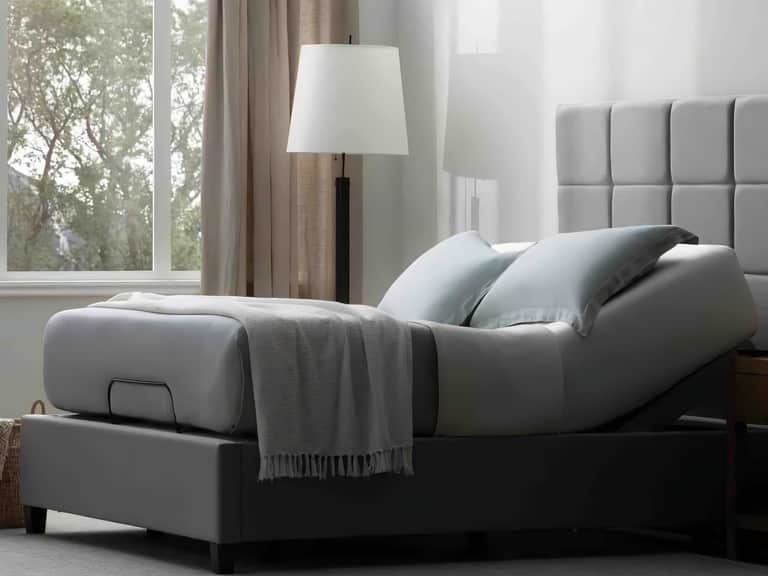
Platform beds, characterized by their low-profile frames and solid or slatted bases, are a quiet architectural act in a compact room. They lift the mattress from the floor, promoting airflow and reducing the need for box springs, which can intrude on floor space and under-bed clearance. In a small bedroom, this minimalist stance translates into several practical advantages:
- Under-bed clearance: Even a slender storage solution can be tucked beneath a platform bed, provided the design accounts for leg height and access.
- Clean sightlines: A low silhouette visually expands the ceiling line, making the room feel more open.
- Uniform height: With fewer components (no heavy box spring), a platform bed fosters a cohesive, uncluttered aesthetic.
- Versatile materials: Wood, engineered wood, and metal offer different warmth, weight, and maintenance profiles—crucial in rooms that demand practicality as well as beauty.
To maximize these benefits, the selection process must account for room dimensions, traffic flow, and compatibility with existing furniture. The goal is a bed that anchors the space, supports sleep, and harmonizes with your decorative intent rather than overpowering it.
Materials and Construction: Airflow, Durability, and Comfort
Platform bed frames in Cisco Home’s ecosystem reveal a spectrum that blends traditional craft with modern efficiency. The materials you choose influence airflow beneath the mattress, the bed’s longevity, and its compatibility with various mattresses and foundations. Consider these core material families:
- Solid wood: Durable and warm, solid wood frames (such as FSC-certified options) bring natural resilience and a timeless aesthetic. They stand up to daily wear, resist wobble, and accept refinishing if your room evolves.
- Engineered wood: A lighter, often more affordable alternative that can deliver excellent stability when paired with robust slats and cross supports. It lends a contemporary look and often allows for thinner profiles without sacrificing strength.
- Metal accents: Subtle metal hardware or rails can add a modern edge while keeping weight manageable and footprint compact.
- Under-bed slat configurations: The choice between closely spaced slats and solid panels affects mattress ventilation and foundation compatibility while contributing to the bed’s visual mass.
Durability hinges on bridge components like corner blocks, joinery, and the quality of the slats or paneling. A well-ventilated frame supports mattress longevity and reduces the build-up of heat and moisture that can affect comfort. When you examine Cisco Home options, you’ll notice a thoughtful balance between airflow, support, and aesthetics—an alignment with the environment-conscious ethos seen in other Cisco pieces.
Space Planning: Measuring, Layout, and Access
The practical task is to ensure that the bed fits gracefully within the room’s orbit of furniture, while leaving enough space to move, dress, and clean. Begin with precise measurements of the room and the bed’s footprint. Consider these guidelines:
- Bed footprint: Know the exact width and depth of the platform bed frame. Platform beds can range from compact 60" x 80" configurations for queen sizes to broader silhouettes for king options.
- Aisle space: Maintain at least 30 inches of clearance around the bed for comfortable navigation; in tighter rooms, this may drop to 28 inches if every inch of space is intentional and well-planned.
- Storage alignment: If you’re pursuing under-bed storage, ensure the bed height allows easy access to bins or drawers. Factored air gap beneath the frame improves ventilation and prevents moisture buildup.
- Headboard and footboard: A flush-to-wall setup often benefits from a headboard with slim lines to avoid encroaching on the room’s walking circle.
Think of the bed as a central axis around which the room orbits. The bed’s height and profile should harmonize with the ceiling height, the door swing, and the location of windows to avoid glare or obstruction. Small bedrooms reward spatial storytelling—every element contributes to a sense of scale and rhythm, much like a carefully composed landscape observed by explorers of the natural world.
A Profile in Detail: The Cisco Home Sidney Sofa as a Parallel Observation
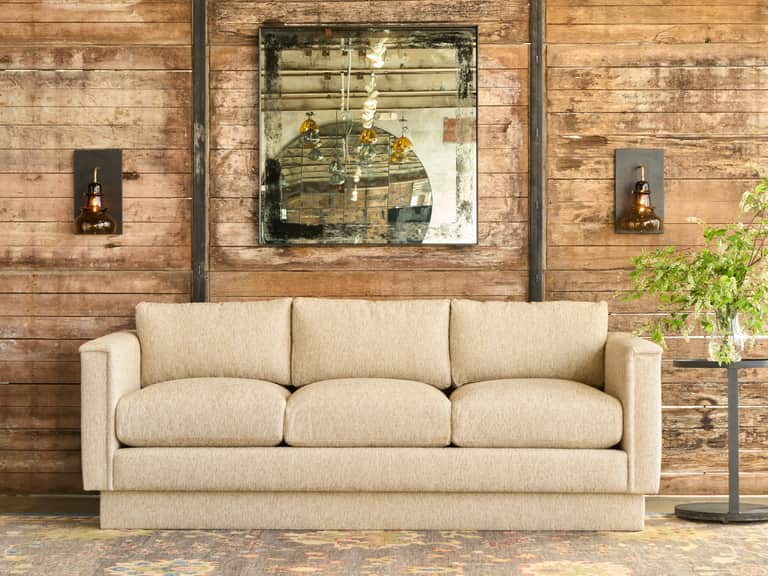
While our focus is the platform bed, we glimpse an adjacent problem space through Cisco Home’s Sidney Sofa, a model that embodies the discipline of proportion, craftsmanship, and sustainable practice. In NatGeo’s tradition of drawing larger patterns from local details, the Sidney Sofa’s solid hardwood frame and no-sag support suggest a philosophy that can inform bed design: prioritizing sturdy core construction while maintaining a perception of lightness and elegance. Its dimensions—an expansive 84 inches in width and 38 inches in depth—speak to a design consciousness that respects human scale and room choreography. The couch’s three loose seat cushions and three fitted back cushions emphasize modularity and comfort, a reminder that the most enduring furniture often blends flexibility with restraint. Though not a bed, Sidney’s approach to proportion echoes in bed frames that favor streamlined profiles, ample leg clearance, and a foundation that remains quietly supportive under daily life.
In the small-bedroom context, Sidney’s example encourages us to seek frames that emphasize clean lines, responsible materials, and practical longevity. The idea is simple: when space is at a premium, every detail—legs, joints, finish, and silhouette—contributes to the room’s breath and ease. As in natural expeditions where a single rock formation reveals a broader landscape, the right platform bed frame can redefine how a room feels and functions.
Product snapshot: Cisco Home Sidney Sofa
SID-SOF-084 • 84"W x 38"D • FSC-certified hardwood frame • No-sag support
While not a bed, the Sidney Sofa embodies the craftsmanship ethos that informs Cisco’s bed frames: robust core, sustainable materials, and a timeless silhouette. For readers designing a bedroom that doubles as a living zone, a platform bed that mirrors this approach—low, sturdy, and elegantly restrained—can harmonize with seating areas and storage solutions without visual clutter.
In small spaces, aim for a platform bed with a slim headboard, light wood finish, and slats that allow airflow beneath the mattress. Combine with a compact chest or under-bed drawers that use the space efficiently, mirroring how the Sidney Sofa maximizes usability without overpowering the room’s geometry.
Across centuries, designers, architects, and thinkers have guided our perception of space, yet a few stand out for their lasting influence on interior form and the relationship between furniture and room. Here are three figures from different eras who illuminate the craft of space-making, which informs modern decisions about platform beds and small bedrooms.
1) Florence Knoll (1917–2019): Modernist Restraint
Florence Knoll’s work typified a discipline that balanced comfort, function, and clean lines. As a designer and advocate of modernist interior architecture, she championed modular systems that can be rearranged for varied spaces. In small bedrooms, her philosophy translates into choosing pieces with simple geometry, low profiles, and transparent arrangements that avoid crowding. The bed’s platform, with a shallow footprint, pairs well with modular storage and seating that remains legible against the wall—an homage to Knoll’s belief in purposeful, uncluttered environments.
2) Le Corbusier (1887–1965): Space as a Habitat
Le Corbusier viewed space as a living habitat rather than a static container. His advocacy for functional furniture that served the human body aligns with the practical needs of a compact room. Platform beds, under-bed storage, and clean, modular components reflect his insistence on human-centric design where form follows everyday use. When one assesses a platform bed for a small bedroom, the emphasis on accessibility, airflow, and adaptability resonates with Corbusier’s living theory—space that serves real life, not just the eye.
3) Maya Lin (b. 1959): Subtle Landscape, Subtle Presence
Maya Lin’s work is a reminder that restraint and proportion can transform architecture and furniture into quiet, contemplative experiences. In the domain of intimate spaces, her influence encourages a bed design that respects the room’s rhythm—e.g., a platform bed with slim legs that lift the frame off the floor, creating a sense of openness. Lin’s ethos of letting the surrounding space breathe suggests selecting materials and colors that recede slightly, so the room’s atmosphere rather than the furniture dominates the scene.